Community Plan to End Homelessness
Our community’s roadmap for preventing and ending homelessness. Built by the community, for the community.
Since 2005, Santa Clara County has come together across jurisdictions, agencies, and sectors to build a coordinated, evidence-based response to our region’s homelessness crisis. With the Community Plan to End Homelessness, we turn that collective commitment into action.
In the last decade alone, the strategies outlined in our Community Plans have resulted in more than 35,000 people permanently housed, the creation of a Homelessness Prevention System that’s grown to reach more than 44,000 people, and a shelter system that’s doubled in capacity
Our newest plan, the 2026-2030 Community Plan to End Homelessness, builds on strategies with a track record of success and outlines the collective work to grow and strengthen our system in the face of serious challenges and resource constraints.
Our Plan for the Years Ahead
Guided by data, evidence and community input, our 2026-2030 Community Plan centers on four core pillars:

Stopping homelessness before it starts with an expanded Homelessness Prevention System
Ending homelessness with more permanent housing connections and supporting residents’ long-term stability

Strengthening access to services for people experiencing unsheltered homelessness

Investing in people with lived experience of homelessness to help lead – not just advise on – the decisions that shape our system
By 2030, we’re committing to:
- House 15,000 people, with 97% retention in permanent supportive housing after a year
- Grow prevention capacity by 20%, keeping at least 85% of assisted households stably housed for at least a year
- Preserve temporary housing capacity countywide, demonstrating at least 40% of households served in temporary housing move into permanent housing
- Embed people with lived experience of homelessness as leaders in the design and governance of our system
- Reduce racial and ethnic disparities in access, service delivery, and housing outcomes for the populations most affected by homelessness
We’ll report on our progress against these targets publicly, as we did for the last plan — because we’re accountable to those forced to experience homelessness and our community as a whole.
Whether you’re a resident, business owner, landlord or service provider, there’s a role for you. Read the full 2026-2023 Community Plan and see how you can get involved.
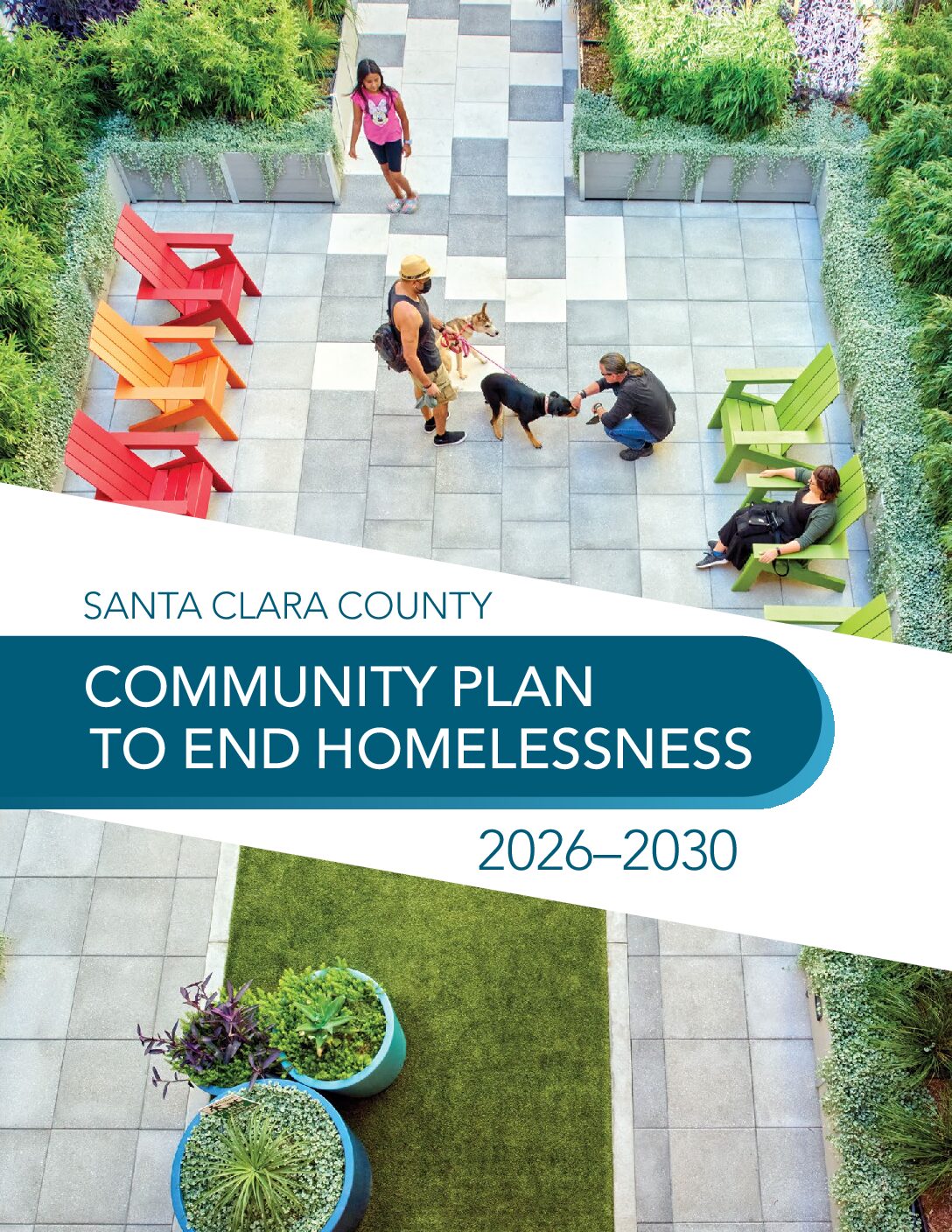
Read the 2026-2030 Community Plan to End Homelessness:
Track our Progress


Watch past briefings on the Community Plan to End Homelessness here.
Community Plan Document Archive
Listed here is an archive of documents related to the previous Community Plans.


